Why a passing seed test doesn’t mean your real subscribers are reaching the inbox.
Seed testing is the common practice of sending a campaign to a small set of “seed” inboxes you control (across Gmail, Yahoo, Outlook, etc.) to check whether your mail lands in the inbox or spam folder before or during a send.
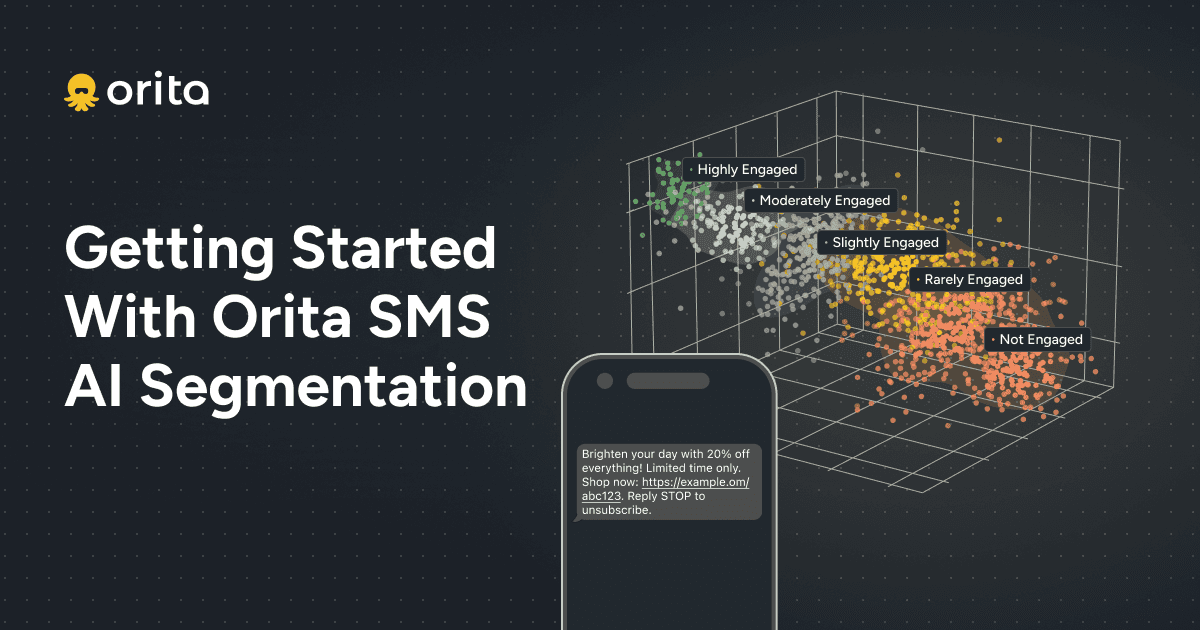
Personalized inbox filtering is how modern inbox providers actually decide placement: rather than applying one verdict to your whole list, they score each message for each individual recipient based on that person’s own engagement history — opens, clicks, replies, deletes, time spent — so the same campaign can land in one subscriber’s inbox, another’s Promoh seotions tab, and a third’s spam folder.
The core argument of this doc follows from the gap between those two: seed tests run in a non-real environment with addresses that never genuinely engage, so they can confirm a problem but can’t confirm health. A failed seed test (you’re in spam) is a strong, trustworthy signal. A passed seed test is not — it tells you nothing about how your real, lower-engagement subscribers are being filtered. To understand and protect actual inbox placement, you have to manage engagement at the subscriber level, not rely on seed results.
Weakness | Why it matters at scale | Evidence / Reference |
|---|---|---|
No real user engagement in seeds | Seed addresses don’t open, click, or otherwise behave like your actual subscribers. So ISP filters that depend on engagement won’t “see” any negative signals from them. | Kit Help Center: “Inbox placement test data doesn’t always correlate with your real deliverability … seed addresses do not behave like actual users … which can skew the inbox placement test results.” |
Limited sample set / “best‐case” audience | Seed tests typically hit clean, well-configured inboxes. They don’t reflect how marginal or low-engagement segments in your file will be treated. | Warmforge blog: seed testing highlights Inbox/Spam, but misses differential treatment of real subscribers. |
Under-reporting actual spam / suppression | Some ISP-level filtering or internal suppression (“silent filtering”) won’t be triggered for seeds but will for your real list. Seeds may pass where real addresses fail. | Constant Contact: “We do not recommend that you solely rely on seed lists to test deliverability … deliverability to one seed address is not representative of other addresses with different engagement profiles. Given that seed addresses do not behave like actual users, this is even more of an impractical comparison.” |
Mismatch in ISP behavior over time | ISP filters adapt. What passes today (for seed accounts) can degrade tomorrow as engagement shifts. Seed tests don’t capture those temporal dynamics. | Iterable: “those recipients aren’t meant to engage with the mail, meaning they are not opening and clicking. This is an important distinction because they don’t build the same kind of history with your sending infrastructure that your regular audience (or even the addresses you own and use for the other testing) does.” |
Inbox Placement Drivers: Personalized + Vertical Benchmarks
There is industry analysis going back over a decade that talked about how there is an increasing shift in a reliance on positive signals vs. negative ones for inbox placement. In short, there is so much new spam to classify, waiting for negative signals takes too long. Inbox providers look at interaction the balance of negative/positive interactions - and they have many more interactions they can look at than what we have access to (true opens, read time, favoriting, how much time you are in the inbox).
This is more speculative, but I think that spam filters are increasingly personalized to users and inboxes compare similar content/verticals to each other. What does this mean? That inbox placement isn’t just about engagement between you and your list, but rather the relative engagement of your list to your content versus similar senders that also reach that same audience.
Google’s own research on Gmail Priority Inbox shows they assign a “probability of importance” score per message per user based on engagement history (opens, clicks, replies, deletes).
Factor | What it Means | Evidence / Source | Business Takeaway |
|---|---|---|---|
Per-user filtering | Inbox placement is individualized: two subscribers on Gmail can see the same campaign in different folders (Inbox vs. Spam vs. Promotions) based on their personal engagement history. | Google Research: The Learning Behind Gmail Priority Inbox – Gmail assigns a probability of importance per message per user; ESPs (Iterable, Salesforce, Klaviyo) confirm per-user filtering. | Don’t assume seed tests = whole list. Segmenting and suppressing unengaged subscribers directly improves inboxing probabilities. |
Engagement-based ranking | Mail isn’t just “inbox vs. spam” — it can be ranked lower in Promotions or Updates, or throttled/delayed if engagement is weak. | Gmail’s Priority Inbox research; DMA Deliverability Reports. | Low engagement (e.g., 0.25% CTR) puts you at risk of being buried, even if technically “in inbox.” |
Vertical / content cohorting | Senders are compared to others in similar categories (e.g. shoes vs. shoes, supplements vs. supplements). Higher-risk verticals (supplements, CBD, sweepstakes, crypto) face stricter filtering. | Validity/Return Path deliverability benchmarks; DMA Deliverability white paper. | Being a top-performing sender in your category helps. But vertical baseline matters — supplements need much higher engagement to reach same inbox % as apparel. |
Relative performance / outlier advantage | If you’re outperforming peers in your vertical, inbox placement improves; if you underperform, you’re penalized faster. | Deliverability practitioners + ISP behavior studies (Return Path, Validity). | For shoes: strong engagement vs. peers = inboxing advantage. For supplements: need to massively outpace peers to avoid stigma. |
Category bias at ISPs | Some verticals have built-in skepticism due to history of abuse. Mail may start with a “negative prior” even before engagement is measured. | ESP documentation (Salesforce, Iterable) and deliverability consultant consensus. | Choosing to email “everyone” in a high-risk vertical is more damaging than in a neutral one — suppression and engagement strategy is survival-critical. |
Why Engagement Matters (and Why Seed Tests Aren’t Enough)
Delivery ≠ inboxing — ESPs report “delivered” when Gmail/Yahoo accept the mail, but providers can still hide, tab, or throttle it afterward, and that never shows up as a bounce.
Low engagement = weak reputation buffer — at 0.25% CTR you don’t have enough positive signal to absorb even small spikes in complaints or unsubscribes, and that’s when inboxing collapses.
Silent filtering hurts revenue — you may think you’re reaching 1M people, but ISPs can quietly suppress disengaged segments, so real reach is far below what your ESP reports.
Seed tests work like open rates: a bad result is a reliable alarm, a good result proves nothing. If seeds land in spam, you have a real problem. If they land in the inbox, that only reflects clean, high-engagement addresses that never behave like your actual subscribers.
Real inbox placement is personalized. Providers score each message for each recipient based on their own engagement history, so one campaign can hit the inbox, Promotions, and spam across three different subscribers. They also compare you to other senders in your vertical, meaning your placement depends on how your engagement stacks up against peers reaching the same audience.
The practical takeaway: you can’t seed-test your way to deliverability. Managing engagement at the subscriber level — segmenting and suppressing the unengaged — is what protects inbox placement and the revenue that depends on it.