Looking at the Mailmend comparison means you’re trying to figure out whether to prioritize immediate inbox placement or long-term sender reputation. Mailmend modifies headers to bypass Gmail’s Promotions tab. Orita builds a custom machine learning model that predicts which subscribers on your list are ready to buy right now. The difference isn’t just technical, it’s about whether you want to game the system or work with it. Let’s compare how they actually function so you know what you’re signing up for.
TLDR:
Orita predicts which customers will buy for each campaign using custom AI models; Mailmend adjusts email headers to bypass Gmail’s Promotions tab.
Mailmend delivers quick visibility but risks spam complaints when promotional content lands in personal inboxes.
Orita improves deliverability by targeting engaged humans, with clients seeing large Klaviyo Deliverability Score lifts.
Orita uses AI customer segmentation to build sender reputation through real engagement instead of technical workarounds.
What is Mailmend?
Mailmend is an email deliverability utility that focuses on where messages land inside Gmail, especially for Klaviyo users. Its core feature is an engine that alters email headers so that marketing emails land in the Primary inbox instead of the Promotions tab. The premise is simple: if more subscribers see your emails in the Primary view, open rates will rise and campaigns will look more successful.
To achieve this, Mailmend works within your email templates. You insert custom code, and Mailmend’s service handles header changes on outbound messages. The product offers testing tools, guidance on subject lines, and ongoing monitoring to show how often messages reach the Primary tab. It is built for teams that already have segmentation and creative dialed in but want technical help with Gmail categorization.
What is Orita?
Orita is an AI customer segmentation tool built to help e‑commerce brands maximize revenue from their existing lists. It analyzes your first-party data to predict exactly which customers are most likely to engage or make a purchase for each specific campaign. Think of it as a specialized layer that works alongside your existing tools to tell you who is ready to buy right now.
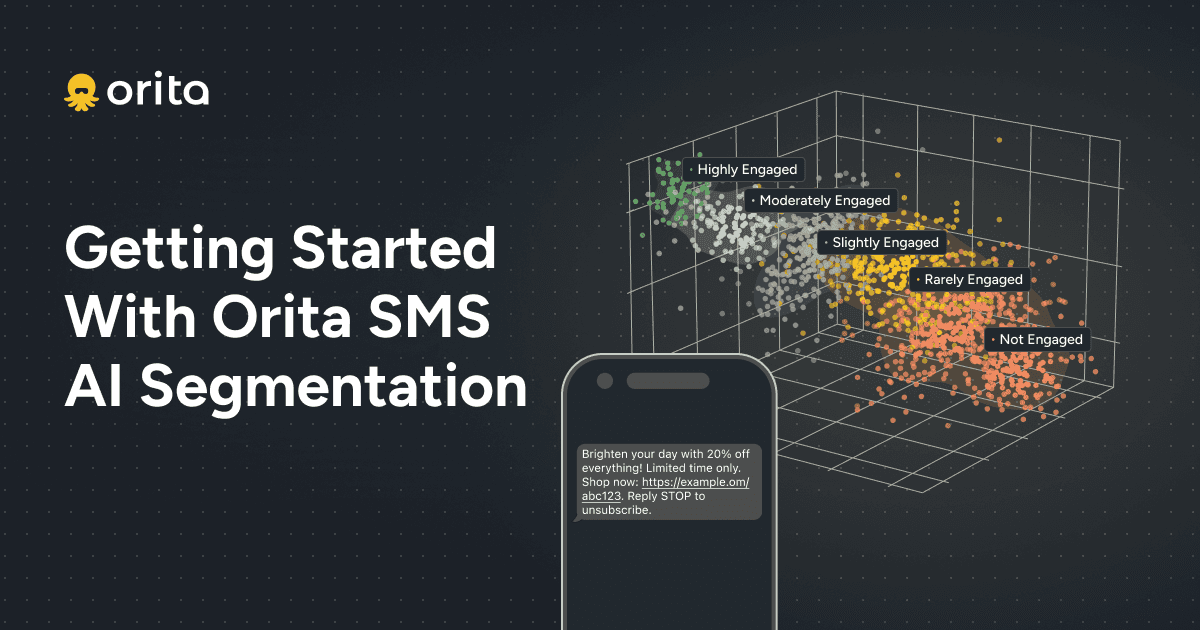
Orita does this by training a custom machine learning model tailored to your brand. Unlike generic algorithms that treat every store the same, Orita models learn from your unique customer behaviors, including purchase history, browsing, and past email activity. The system scores every profile on your list daily so you can identify high-intent audiences with precision and suppress contacts who show no current interest.
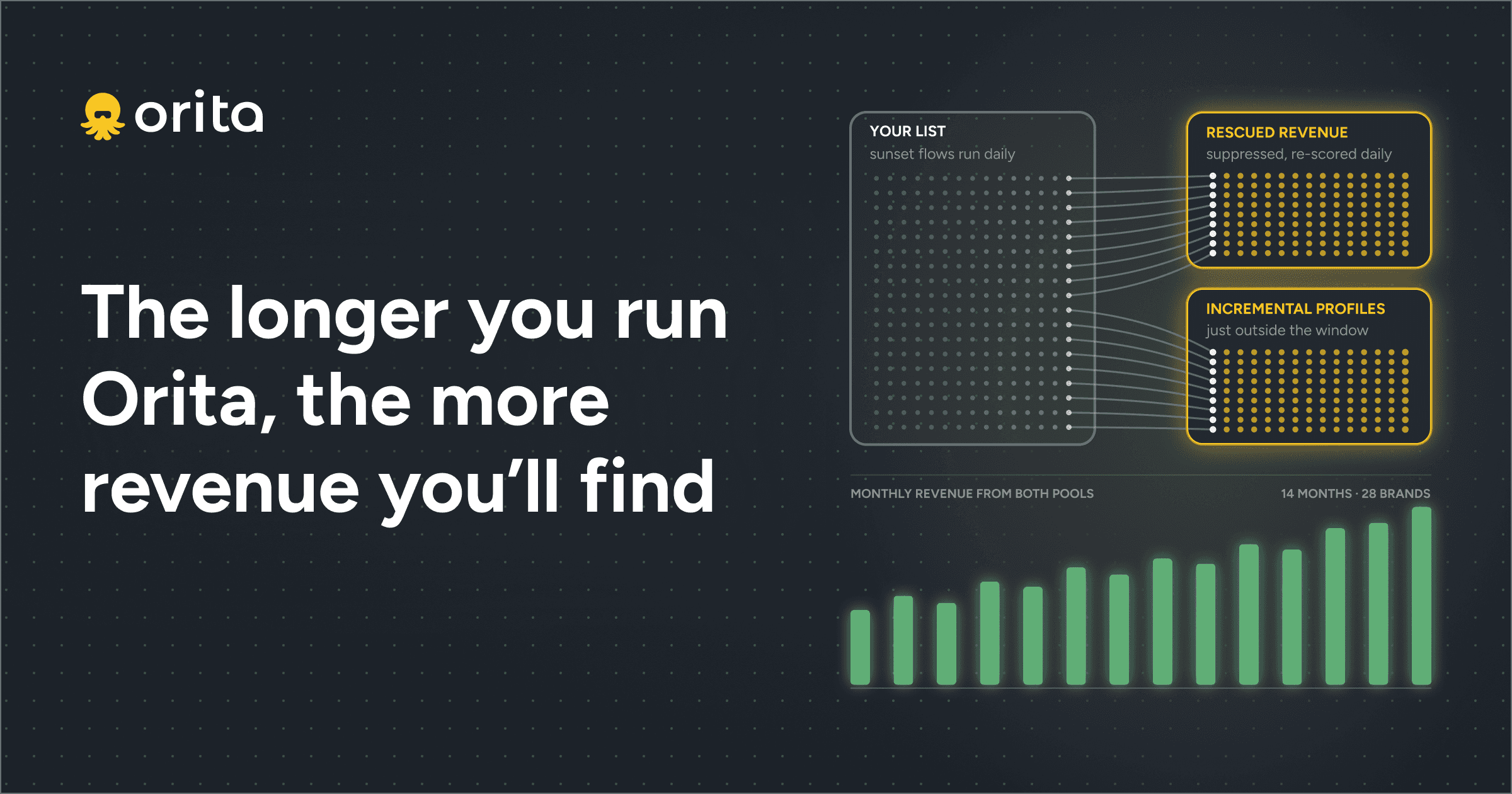
This approach protects your sender reputation and inbox placement by confirming you send to engaged humans. It also rescues revenue by identifying customers in your suppressed or dormant lists who suddenly show renewed interest, so previously “lost” subscribers can turn into repeat buyers.
Audience Targeting and Segmentation
These two tools approach audience management from opposite directions.
Mailmend: Header Modification
Mailmend helps with placement mechanics inside Gmail. It adjusts technical email headers to encourage Gmail algorithms to sort messages into the Primary inbox instead of the Promotions tab. You still build and manage all your own audiences inside Klaviyo. If you choose unengaged or low-intent users, Mailmend will still push those emails forward. It has no visibility into who is likely to buy or click; its job begins after audience selection.
Orita: Predictive Scoring and Segments
Orita focuses on the recipient list. It builds a custom model for your brand using purchase data, on-site behavior, and email engagement signals. Every profile receives a daily score that reflects likelihood to click or buy in the near term. Orita then syncs those segments directly into your ESP. You target the people likely to click and hold back low-intent contacts, which naturally signals to inbox providers that your mail is welcome.
In practice, this means Orita reduces total send volume while increasing revenue per send. Brands like Caraway and Spanx have sent millions fewer emails while earning more revenue because campaigns reach only the subscribers most ready to act.
Deliverability Approach and Impact
Mailmend: Technical Placement
Mailmend targets the technical path to the inbox. They use code to modify email headers, attempting to bypass the Promotions tab. Since 30% higher open rates typically occur in the Primary tab, this generates visibility.
However, this works against Gmail’s sorting system. Placing marketing content alongside personal emails often backfires. If recipients feel their personal space is cluttered with promos, they mark messages as spam, damaging your domain reputation.
Orita: Reputation Through Engagement
We focus on recipient intent. Orita helps deliverability by verifying you only send to humans who show interest. Our AI suppresses non-responsive contacts and removes bot traffic before you mail.
This matches what providers want. Positive engagement signals build credibility naturally. For instance, GoodOnya saw a 30-point increase in their Klaviyo Deliverability Score by targeting the right audience rather than outsmarting algorithms.
Long-Term List Health and Revenue Impact
Mailmend: Immediate Impact vs. Burnout
Mailmend’s promise is fast improvement. You can often see shifts in tab placement within a day or two. For brands already sending to clean, enthusiastic lists, this can provide a short burst of extra visibility.
The downside is that Mailmend does not optimize your list or change who receives campaigns. It places more messages in a sensitive inbox location without removing bots or chronic non-openers. Over time, this can lead to fatigue: more people receive promotions directly in Primary, some become annoyed, and complaint rates drift upward. The short-term lift may come with long-term wear on reputation if audience quality is weak.
Orita: Sustainable Lift and Rescued Revenue
Orita’s focus is durable performance gains. Daily scoring and segmentation reduce unnecessary sends, so you stop mailing people who never respond and stop feeding metrics with bot-based activity. As engagement improves, inbox providers reward the domain with better placement.
At the same time, Orita looks for “rescued revenue” in dormant and suppressed lists. When previously inactive subscribers start browsing again or interact with other signals, Orita pulls them back into active segments. Brands like Caraway, The Perfect Jean, and others have recovered hundreds of thousands of dollars by reconnecting with shoppers who would have remained excluded under traditional list cleaning rules.
Integration and Implementation
Both tools fit into your stack, but the setup mechanics differ significantly.
Mailmend
Mailmend works exclusively with Klaviyo. Getting started takes under 72 hours and involves placing a custom code snippet into your email templates. Because this works at the template level, you have to make sure the code exists in every single campaign you send. It does not look at your commerce data or purchase history.
Orita
We connect via OAuth to both your commerce system (Shopify, Magento, etc.) and your ESP. This allows our model to score customers based on actual purchase behavior and engagement. There is zero engineering needed. Once connected, Orita pushes updated segments directly to your ESP every 24 hours. You simply select the audience we created and send your campaign.
Feature | Orita | Mailmend |
|---|---|---|
Core Approach | AI-powered predictive segmentation using custom machine learning models trained on your brand’s unique customer behaviors | Technical header modification to bypass Gmail’s Promotions tab and force emails into Primary inbox |
Targeting Method | Daily scoring of every profile to predict engagement likelihood and purchase intent for each campaign | No audience analysis - works at template level to change email routing regardless of recipient quality |
Deliverability Strategy | Builds sender reputation through genuine engagement signals by suppressing unengaged contacts and removing bot traffic | Attempts to bypass Gmail’s sorting algorithms through technical workarounds that place promotional content in personal inboxes |
ESP Compatibility | Works with Klaviyo, Iterable, and other major ESPs via API integration | Exclusively works with Klaviyo |
Implementation Time | OAuth connection to commerce platform and ESP with zero engineering required - segments sync automatically every 24 hours | Under 72 hours setup requiring custom code snippet in every email template |
List Health Impact | Improves long-term list health by identifying engaged humans and suppressing non-responsive contacts - clients see large Klaviyo Deliverability Score lifts | Does not clean list or analyze engagement - risks spam complaints when promotional content lands in Primary tab |
Revenue Model | Maximizes revenue per campaign by targeting high-intent audiences - Caraway rescued $1M+ while sending 43M fewer emails | Increases open rates through better placement but doesn’t identify which customers are ready to buy |
Why Orita is the Better Choice
Orita and Mailmend both aim to improve results, but they work at different layers of the stack. Mailmend focuses on transport mechanics, trying to steer emails into a specific Gmail tab. Orita focuses on audience quality and intent, ensuring the people you email are likely to welcome and act on your messages.
If your list is already healthy, and you only need a short-term boost in Gmail placement, Mailmend can be a tactical option. For most e‑commerce brands dealing with list bloat, bots, and inconsistent engagement, better targeting usually beats header tweaks. Orita strengthens sender reputation through genuine engagement, lifts revenue per recipient, and keeps list health in a good state over the long term.
In other words, Mailmend tries to change where your emails land. Orita changes who receives them.
Final Thoughts on Inbox Placement Tools
These two tools solve different problems, and understanding that matters for your long-term success. Inbox placement solutions like Mailmend focus on the technical path your email takes, while Orita focuses on whether the recipient wants to receive it. We think engagement beats algorithmic shortcuts every time. Your list health depends on sending to the right people, not just reaching more inboxes.
FAQs
How should I decide between Orita and Mailmend for my e-commerce brand?
It comes down to where your deliverability problem starts. If you are confident your list is full of engaged buyers but you just need Gmail placement help, Mailmend can deliver quick wins. If you are sending to unengaged contacts or struggling with list health, Orita’s predictive segmentation will identify who actually wants to hear from you and protect your sender reputation over time.
What’s the core difference between how Mailmend and Orita improve inbox placement?
Mailmend modifies email headers to push messages into Gmail’s Primary tab, working around inbox sorting algorithms. Orita scores every customer daily to predict who will engage, so you only send to people likely to click or buy, which naturally signals to inbox providers that your mail is valuable and builds long-term credibility.
Who is Mailmend best suited for?
Mailmend works well for Klaviyo users who already have healthy, engaged lists and simply want better Gmail tab placement for an immediate open-rate lift. It is a fast technical fix if your main challenge is visibility in the Primary inbox, not list quality or audience targeting.
Can I use Orita if I’m not on Klaviyo?
Yes. Orita connects to commerce platforms such as Shopify, Magento, WooCommerce, and Salesforce Commerce Cloud, and syncs segments to major ESPs including Klaviyo, Iterable, and others via API. Mailmend currently supports only Klaviyo, so brands on other ESPs typically choose Orita.
What happens to my list size when I start using Orita?
Your send volume will likely drop because Orita suppresses unengaged contacts and removes bots. That can feel unsettling at first, but brands like Caraway sent tens of millions fewer emails while rescuing over one million dollars in revenue, as click rates and revenue per campaign rose due to mailing people who actually wanted to buy.